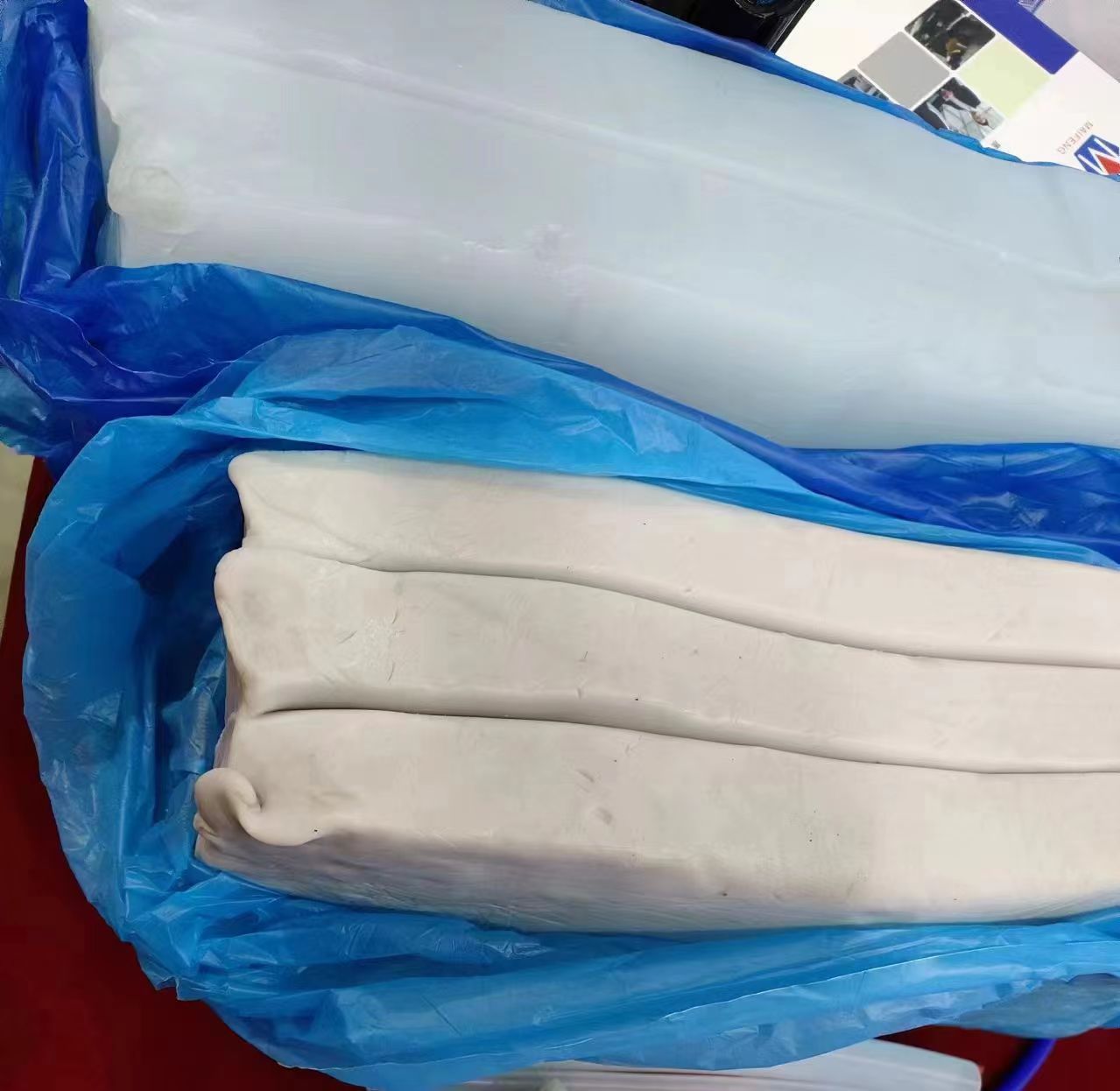
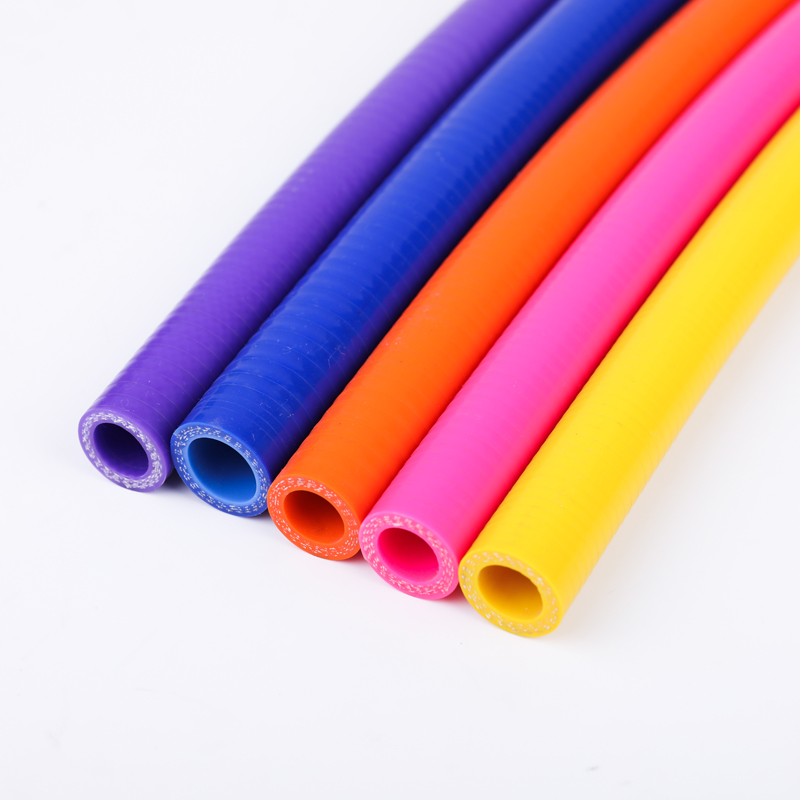
See the Silicone materials difference, we use the up one, the materials are clean and good
Author: kuayu@guangkuotiandi.net
-
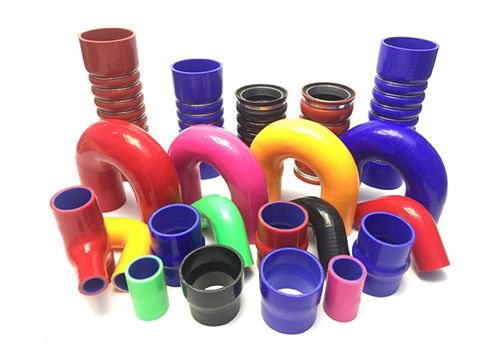
Advantages of Silicone Hose
What are the Advantages of Silicone hoses?
1. Flexibility and resilience
Silicone hoses benefit from superior flexibility compared to rubber. They maintain this flexibility over their lifespan unlike rubber hoses. This reduces the risk that your hoses will split, harden, or become dry rotted.
2. Lifespan
Silicone hoses last practically forever and might possibly outlast your car. Because they have such a long lifespan, they can average out to a lower cost per mile compared to rubber hoses, even though their upfront cost is higher.
3. Operating Temperature Range
One of the main reasons people change to silicone is the operating temperature, it’s all about thermodynamics. The idea of a silicone hose is that you replace the standard hose so it doesn’t expand and get hot under pressure. Silicone hoses are capable of carrying fluids at much higher temperatures than rubber. If you’re building a racing vehicle or adding a turbocharger to your engine, silicone is the way to go.
4. Noise and vibration control
Silicone has a good ability to dampen sounds and vibrations, keeping a quiet and stable profile. Rubber has been known to be a source of noise due to the friction between the rubber and the mating surface.
5. Aesthetics
One of the most obvious advantages of upgrading hoses under the bonnet is how they look. The colours available in silicone hose ranges mean they are often a keen favourite with car enthusiasts who like show their engine bays. The vibrant blue and red hoses can really set off an engine. But if you’re not into colourful interiors silicone hoses are also available in black.
-
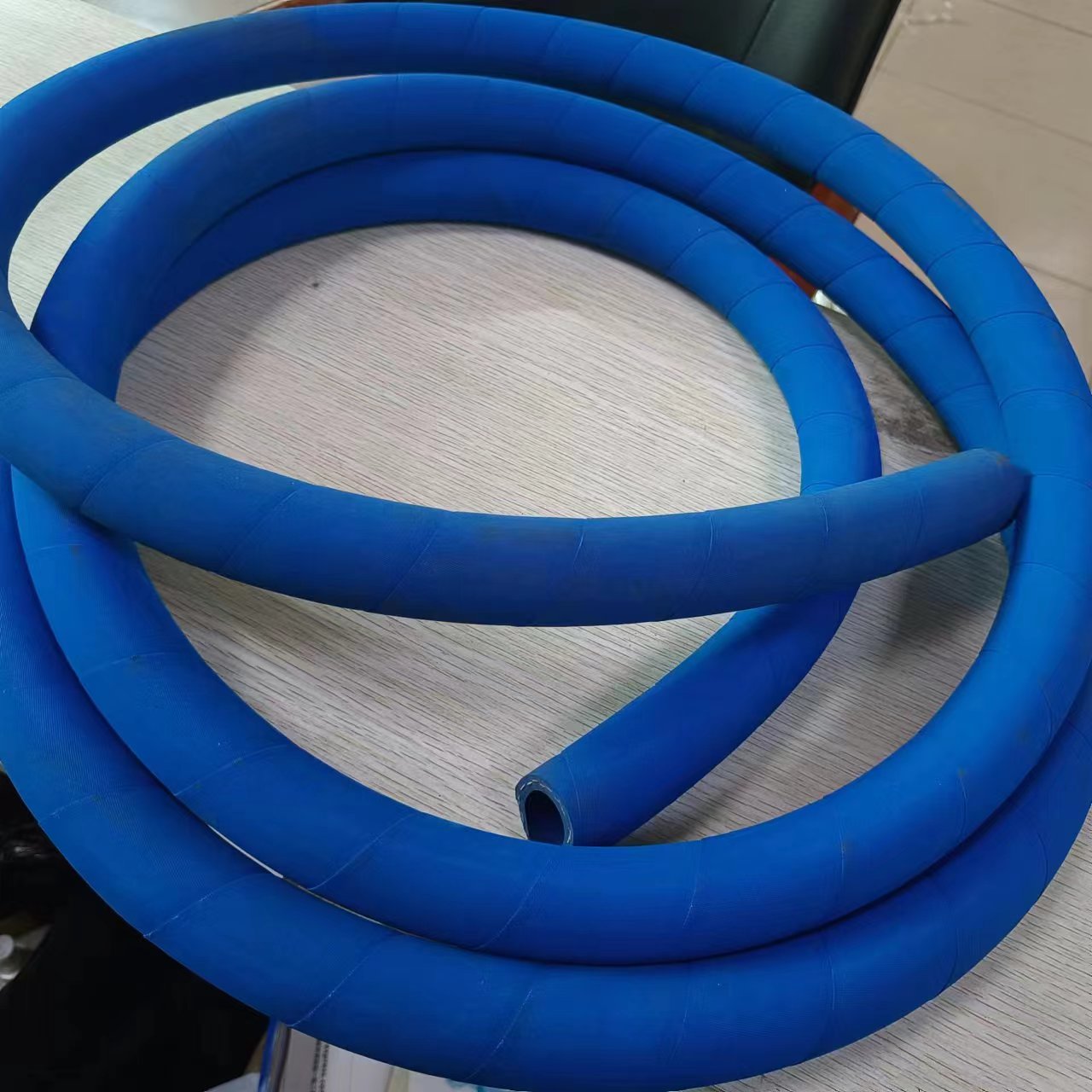
Straight Silicone Coolant Hoses 1 Meter Length Intercooler Pipes
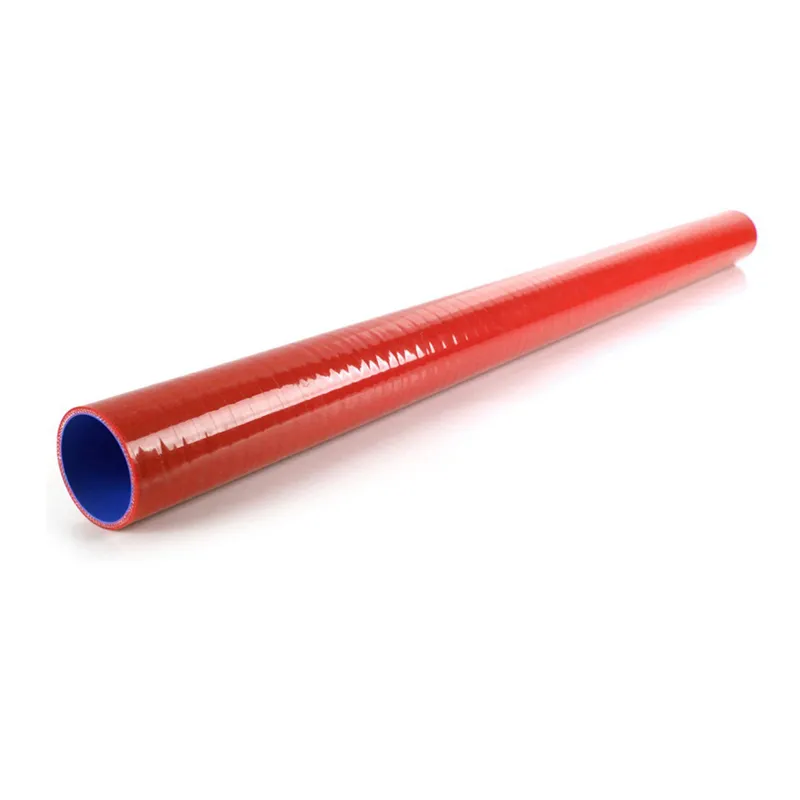
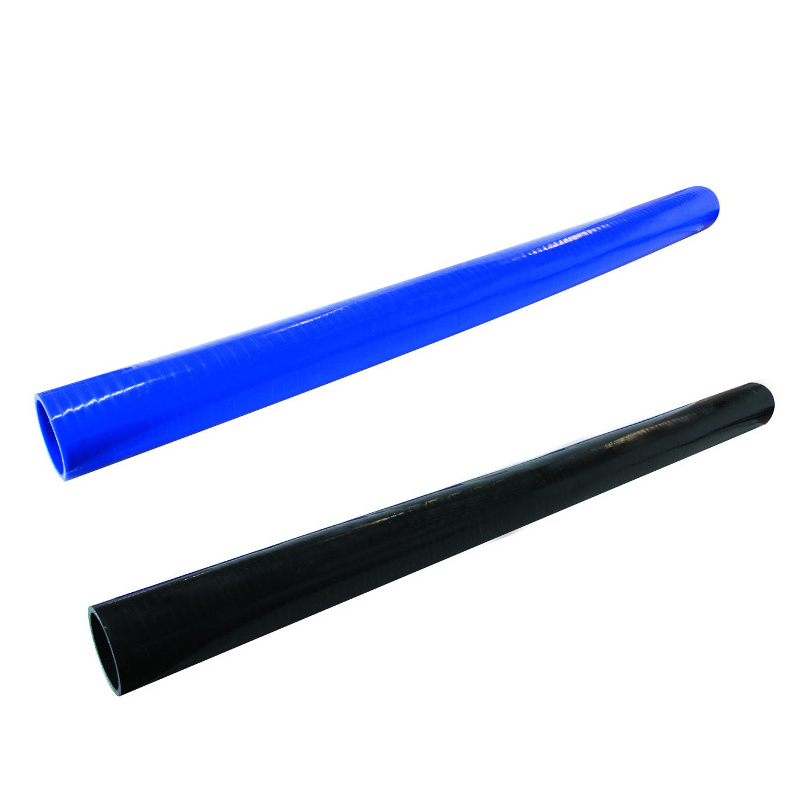
Straight silicone coolant hoses 1 meter length intercooler pipes
Product Description:
Silicone Straight Meter Hose Wide range of applications,its typical properties are as below:
High-temperature resistance Electrochemical degradation resistance UV and ozone resistance Ordinary silicone is not oil resistant,but fluorosilicone of our material with its unique properties provides resistance to many fuels, oils, and solvents, including gasoline Silicone rubber, is noted for its water resistance.It has an extremely low degree of water absorption and its mechanical properties show minimal change, even after long periods of immersion.
Product Name
Standard Silicone Hose
Material
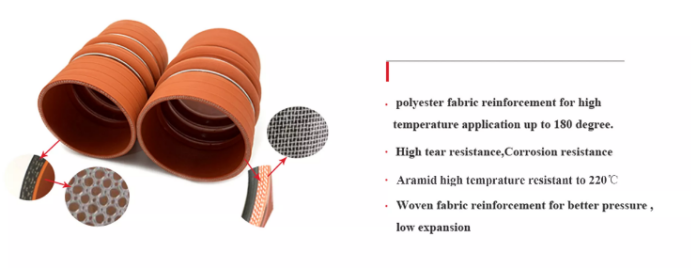
Silicone/Rubber+Aramid/Polyester
Color
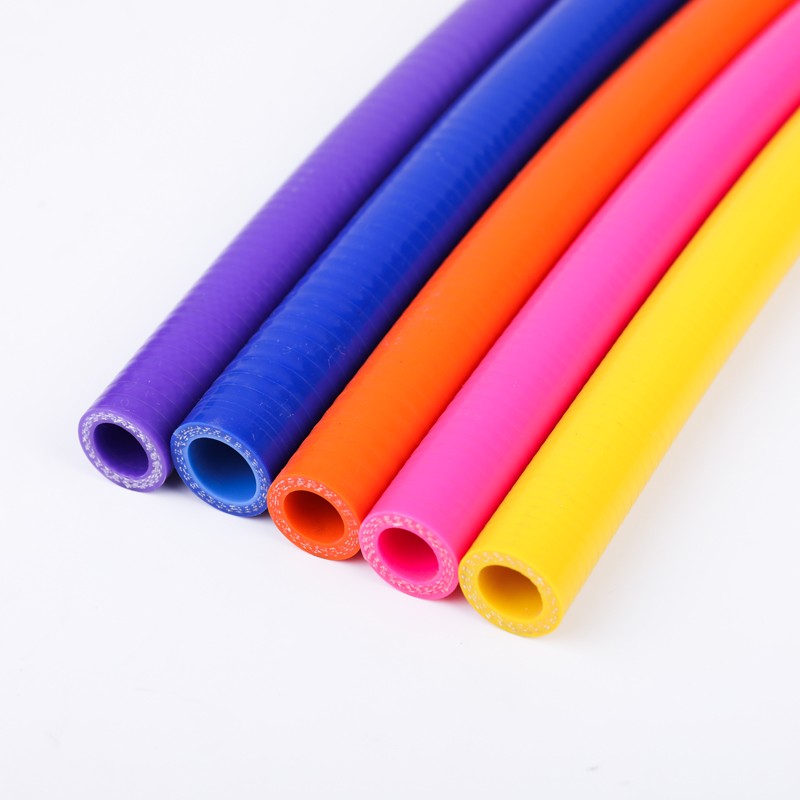
Blue/Red/Black/Purple/Custom Color
Operating Temperature
-40℃~+250℃
Work Pressure
≥0.4MPA
Inner Diameter
2~135MM/Accept Customization
Product Type
Straight Silicone Hose
45/90/135/180 Degree Elbow Hose
Straight Reducer Silicone Hose
Hump Silicone Hose
1 Meter Silicone Hose
T/S/Y Shape Silicone HoseOEM/ODM
Accept
Sample
Free
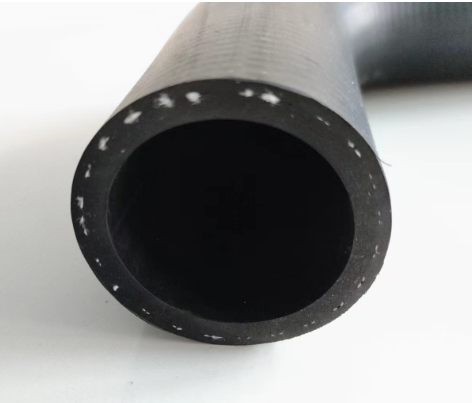
Product Pictures:

Why choose Us:
Production Process:
Testing Equipment:

Exhibition:

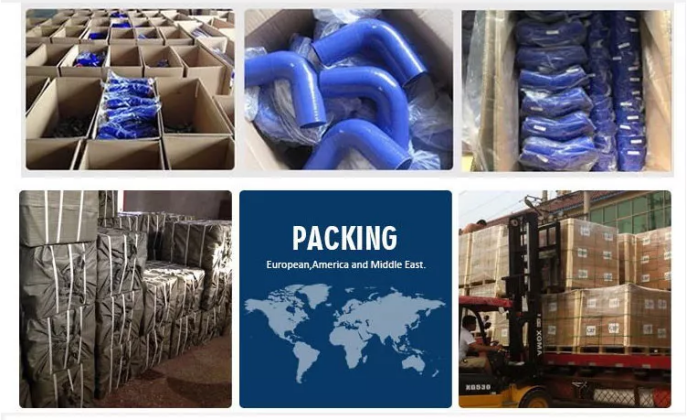
Packing:
FAQ:
1. How can we guarantee quality?
Always a pre-production sample before mass production;
Always final Inspection before shipment;
2. What can you buy from us?
Silicone Hose,Radiator Hose,Turbo Hose,Air Intake Hose,Car Rubber Seal
3. Can it be customized?
According to the demand,we can customize the product size,color,logo and the number of layers of reinforcement layers.Please let us know the medium passing through the hose,water,air or oil,we can use different silicone materials to meet your needs.
4. Do you accept OEM service?
Yes,OEM can be provided.
5. What’s the Delivery Time?
Usually, It’s 15 days to 20 days.The samples will be sent immediately by the air express in 3 days if the goods are in stock. Please Confirm With us before Order.
6. What’s the Payment Terms?
Usually,30% as deposit, 70% before shipment by T/T.Western Union acceptable for small amount.T/T,L/C acceptable for large amount.
7. Can I visit your factory?
Yes, of course. welcome.
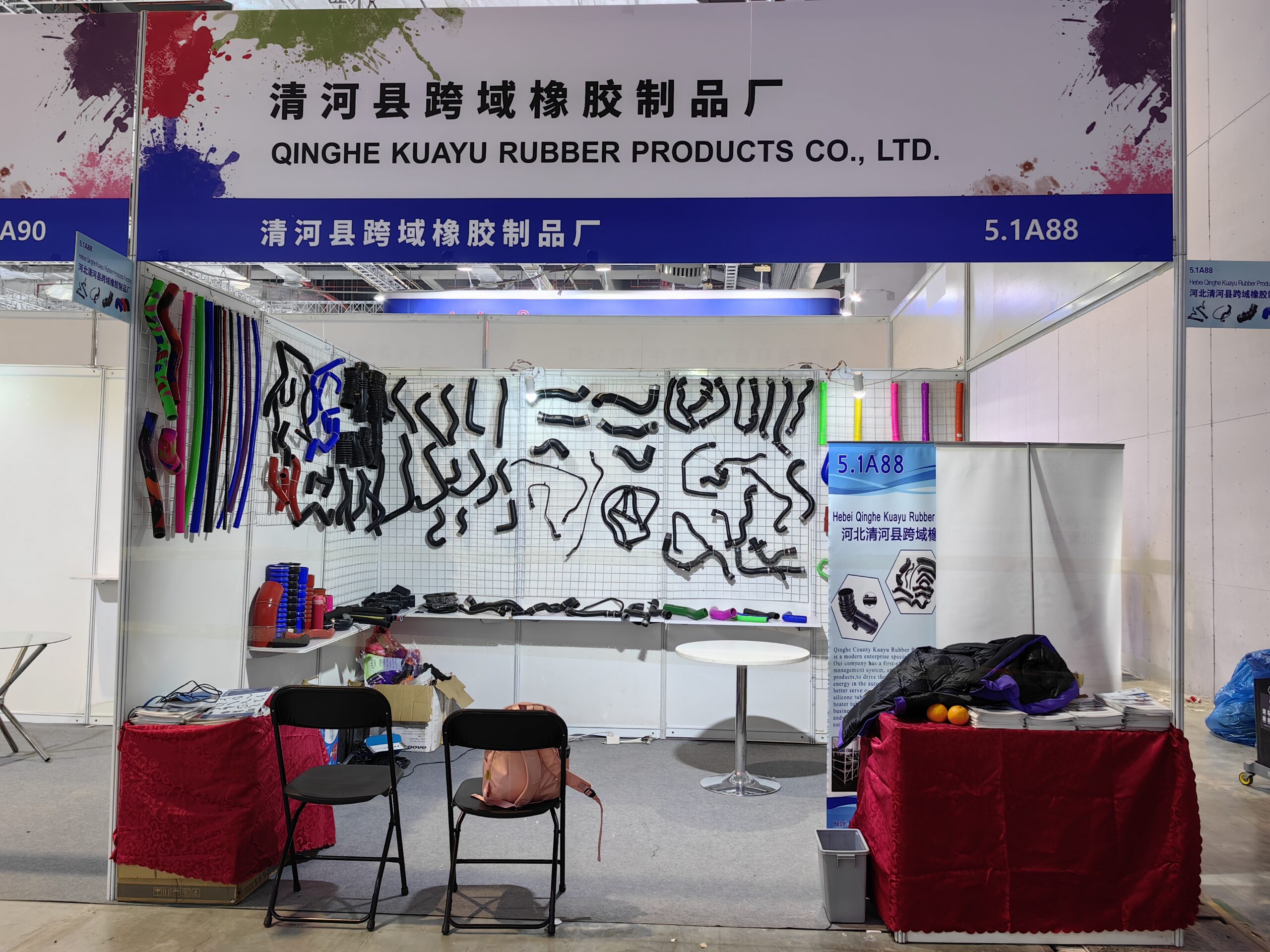
Shanghai exhibition
Product description:
Specification:
- Item Type: Elbow Coupler Hose
- Material: Silicone
- Color: Blue/black/red/green and others
- Working Temperature: -40°C – +250°C
- Working Pressure: 0.3 Mpa (43.5 PSI)-0.9 Mpa (130.5 PSI)
- Bursting Pressure: 2 Mpa
- Thickness: Approx. 5 mm/0.2in, 4-ply reinforced
- Length: According to your requirement
- Size Tolerance: Approx. +/- 0.5 mm/0.02in
- Fitment: Universal Coupler Hose for Car Modified
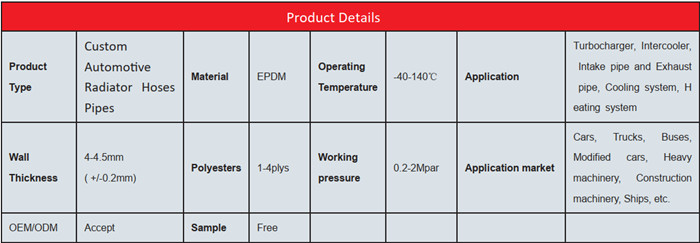
Product Name Standard Silicone Hose Material Silicone/Rubber+Aramid/Polyester Color Blue/Red/Black/Purple/Custom Color Operating Temperature -40℃~+250℃ Work Pressure ≥0.4MPA Inner Diameter 2~135MM/Accept Customization Product Type Straight Silicone Hose
45/90/135/180 Degree Elbow Hose
Straight Reducer Silicone Hose
Hump Silicone Hose
1 Meter Silicone Hose
T/S/Y Shape Silicone HoseOEM/ODM Accept Sample Free 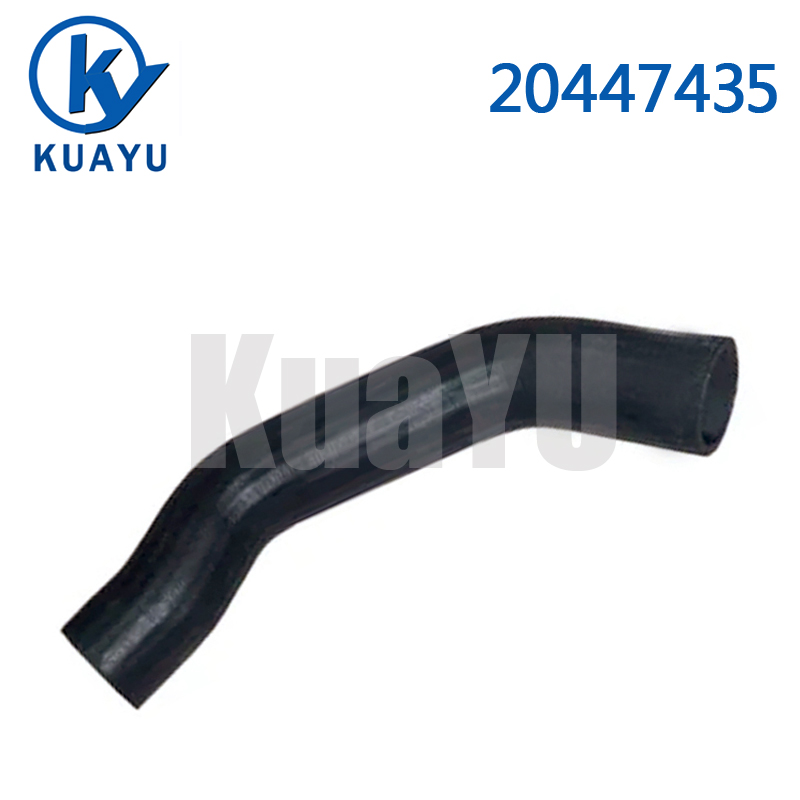
Are Silicone Hoses Better Than Rubber for Coolant?
When it comes to choosing hoses for coolant applications in automotive systems, the debate between silicone hoses and rubber hoses is often a topic of discussion. Both materials have their advantages and considerations. In this article, we will explore the characteristics of silicone hoses and rubber hoses and evaluate their suitability for coolant applications, helping you make an informed decision for your automotive needs.
Heat Resistance:
Silicone hoses are known for their exceptional heat resistance properties. They can withstand high temperatures without degrading or becoming brittle, making them ideal for coolant applications in engines and other hot environments. Rubber hoses, on the other hand, have lower heat resistance and may deteriorate or harden over time when exposed to high temperatures.

2023 Automechanika Shanghai
2023 Automechanika Shanghai
Come and meet us to further explore our product range.
Booth no.: 5.1A88
Date: 29.11-2.12.2023
Address: Shanghai, China
Contact: 0086-182 3216 1160
Impact of Different Materials on Automotive Rubber Hose Quality
Welcome to our website! As a leading manufacturer of Automotive Rubber Hoses in China, we are dedicated to producing high-quality products for the automotive industry. In this article, we will explore the impact of different materials on the quality of Automotive Rubber Hoses. Understanding the importance of material selection will help you make informed decisions when choosing the most suitable hoses for your automotive needs.
Natural Rubber (NR):
Natural rubber is a widely used material in the production of Automotive Rubber Hoses. This section will discuss the characteristics of natural rubber, including its excellent elasticity, flexibility, and resistance to abrasion. We will explore how the properties of natural rubber contribute to the durability and performance of automotive hoses.
Styrene-Butadiene Rubber (SBR):
SBR is another commonly utilized material in the manufacturing of Automotive Rubber Hoses. This section will highlight the advantages of SBR, such as its excellent resistance to wear, aging, and weather conditions. We will delve into the specific applications where SBR-based hoses excel and the benefits they offer.
Ethylene Propylene Diene Monomer (EPDM):
EPDM rubber has gained popularity in the automotive industry due to its outstanding resistance to heat, ozone, and weathering. In this section, we will explore how EPDM-based Automotive Rubber Hoses provide enhanced performance in high-temperature environments, making them suitable for applications like coolant systems and HVAC systems.
Nitrile Rubber (NBR):
Nitrile rubber is widely used in fuel delivery systems and other applications requiring resistance to oils, fuels, and other petroleum-based fluids. This section will discuss the excellent oil resistance, flexibility, and longevity provided by NBR-based Automotive Rubber Hoses.
Silicone Rubber:
Silicone rubber offers unique properties that make it suitable for specific automotive applications. This section will explore the benefits of silicone rubber, including its high-temperature resistance, excellent electrical insulation, and compatibility with various fluids. We will discuss how silicone-based hoses are used in critical systems like turbochargers, intercoolers, and heater systems.
Conclusion:
The selection of the right material is crucial for ensuring the quality and performance of Automotive Rubber Hoses. By understanding the properties and advantages of different materials such as natural rubber, SBR, EPDM, NBR, and silicone rubber, you can make informed decisions when choosing hoses for your automotive applications. As a trusted manufacturer, we are committed to providing high-quality hoses that meet your specific requirements and deliver reliable performance.
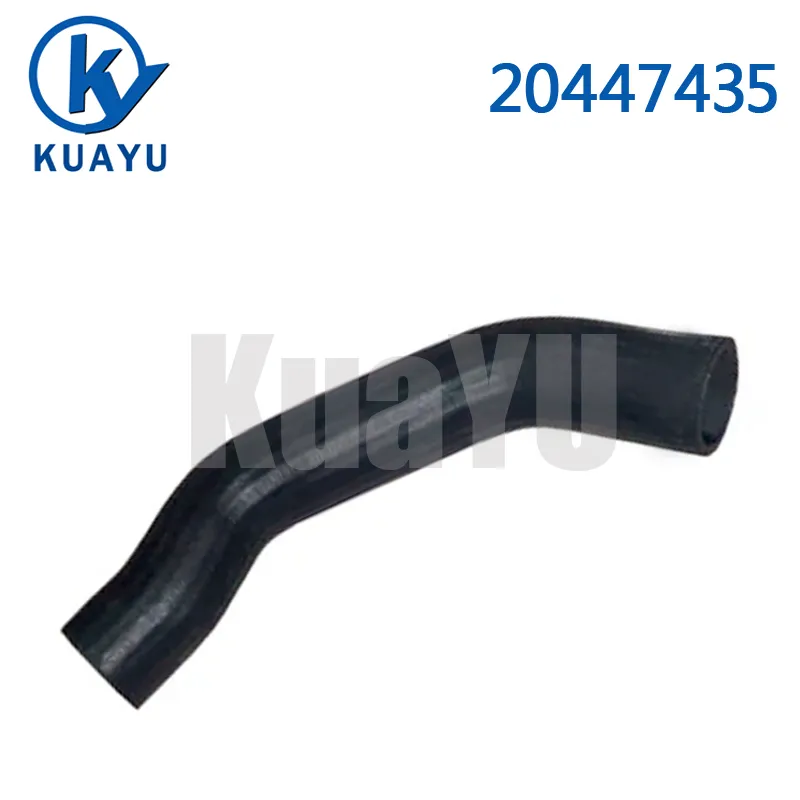
Understanding Automotive Rubber Hoses: A Comprehensive Guide
Welcome to our website! As a leading manufacturer of Automotive Rubber Hoses in China, we are committed to providing high-quality products for the global market.
What are Automotive Rubber Hoses?
Automotive Rubber Hoses are essential components in modern vehicles, enabling the efficient transfer of fluids and gases. This section will explore the composition, construction, and types of rubber hoses commonly used in automotive applications. We will discuss the importance of selecting the right materials, such as EPDM or Nitrile rubber, to ensure durability, flexibility, and resistance to various fluids and environmental factors.
Applications of Automotive Rubber Hoses:
Discover the wide range of applications where Automotive Rubber Hoses play a vital role. We will explore their usage in engine cooling systems, fuel delivery systems, air intake systems, power steering systems, and brake systems. By understanding the specific requirements of each application, you can make informed decisions when choosing the appropriate rubber hose for your automotive needs.
Factors to Consider in Hose Selection:
Choosing the right Automotive Rubber Hose involves considering several critical factors. This section will provide valuable insights into factors such as temperature resistance, pressure ratings, compatibility with different fluids, vibration resistance, and installation considerations. By understanding these factors, you can select hoses that meet your specific requirements and ensure optimal performance.
Maintenance and Troubleshooting:
Proper maintenance of Automotive Rubber Hoses is crucial for their longevity and reliable performance. We will outline best practices for inspection, cleaning, and storage. Additionally, we will discuss common issues that may arise, such as leaks, cracks, and degradation, and provide troubleshooting tips to address these problems effectively.
Quality Assurance and Certifications:
As a reputable manufacturer, we prioritize quality assurance and adherence to industry standards. This section will shed light on the various certifications and quality control measures we implement to ensure the reliability and safety of our Automotive Rubber Hoses. By choosing a trusted supplier, you can have confidence in the quality and performance of the products you purchase.
Conclusion:
We hope this comprehensive guide has deepened your understanding of Automotive Rubber Hoses and their significance in modern vehicles. By providing valuable insights into their composition, applications, selection criteria, maintenance, and quality assurance, we aim to enhance your browsing experience while establishing our website as a valuable resource. For any further inquiries or to explore our range of Automotive Rubber Hoses, please do not hesitate to contact us.
Remember, quality, performance, and reliability are our top priorities as we strive to meet your automotive hose needs with excellence.