Category: Industry News

Industry News from Hebei Kuayu Auto Parts Co., Ltd., a manufacturer of automotive rubber hoses and silicone hoses.

  • Advantages of Silicone Hose

    Advantages of Silicone Hose

    ← Back to News

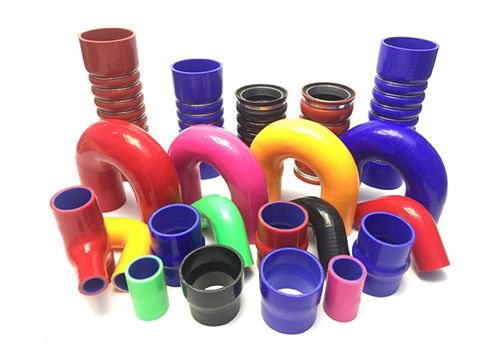
    What are the Advantages of Silicone hoses?

    1. Flexibility and resilience

    Silicone hoses benefit from superior flexibility compared to rubber. They maintain this flexibility over their lifespan unlike rubber hoses. This reduces the risk that your hoses will split, harden, or become dry rotted.

    2. Lifespan

    Silicone hoses last practically forever and might possibly outlast your car. Because they have such a long lifespan, they can average out to a lower cost per mile compared to rubber hoses, even though their upfront cost is higher.

    3. Operating Temperature Range

    One of the main reasons people change to silicone is the operating temperature, it’s all about thermodynamics. The idea of a silicone hose is that you replace the standard hose so it doesn’t expand and get hot under pressure. Silicone hoses are capable of carrying fluids at much higher temperatures than rubber. If you’re building a racing vehicle or adding a turbocharger to your engine, silicone is the way to go.

    4. Noise and vibration control

    Silicone has a good ability to dampen sounds and vibrations, keeping a quiet and stable profile. Rubber has been known to be a source of noise due to the friction between the rubber and the mating surface.

    5. Aesthetics

    One of the most obvious advantages of upgrading hoses under the bonnet is how they look. The colours available in silicone hose ranges mean they are often a keen favourite with car enthusiasts who like show their engine bays. The vibrant blue and red hoses can really set off an engine. But if you’re not into colourful interiors silicone hoses are also available in black.

  • 2023 Automechanika Shanghai

    2023 Automechanika Shanghai

    ← Back to News

    2023 Automechanika Shanghai

    Come and meet us to further explore our product range.

    Booth no.: 5.1A88

    Date: 29.11-2.12.2023

    Address: Shanghai, China

    Contact: 0086-182 3216 1160

  • Impact of Different Materials on Automotive Rubber Hose Quality

    Impact of Different Materials on Automotive Rubber Hose Quality

    Welcome to our website! As a leading manufacturer of Automotive Rubber Hoses in China, we are dedicated to producing high-quality products for the automotive industry. In this article, we will explore the impact of different materials on the quality of Automotive Rubber Hoses. Understanding the importance of material selection will help you make informed decisions when choosing the most suitable hoses for your automotive needs.

    Natural Rubber (NR):

    Natural rubber is a widely used material in the production of Automotive Rubber Hoses. This section will discuss the characteristics of natural rubber, including its excellent elasticity, flexibility, and resistance to abrasion. We will explore how the properties of natural rubber contribute to the durability and performance of automotive hoses.

    Styrene-Butadiene Rubber (SBR):

    SBR is another commonly utilized material in the manufacturing of Automotive Rubber Hoses. This section will highlight the advantages of SBR, such as its excellent resistance to wear, aging, and weather conditions. We will delve into the specific applications where SBR-based hoses excel and the benefits they offer.

    Ethylene Propylene Diene Monomer (EPDM):

    EPDM rubber has gained popularity in the automotive industry due to its outstanding resistance to heat, ozone, and weathering. In this section, we will explore how EPDM-based Automotive Rubber Hoses provide enhanced performance in high-temperature environments, making them suitable for applications like coolant systems and HVAC systems.

    Nitrile Rubber (NBR):

    Nitrile rubber is widely used in fuel delivery systems and other applications requiring resistance to oils, fuels, and other petroleum-based fluids. This section will discuss the excellent oil resistance, flexibility, and longevity provided by NBR-based Automotive Rubber Hoses.

    Silicone Rubber:

    Silicone rubber offers unique properties that make it suitable for specific automotive applications. This section will explore the benefits of silicone rubber, including its high-temperature resistance, excellent electrical insulation, and compatibility with various fluids. We will discuss how silicone-based hoses are used in critical systems like turbochargers, intercoolers, and heater systems.

    Conclusion:

    The selection of the right material is crucial for ensuring the quality and performance of Automotive Rubber Hoses. By understanding the properties and advantages of different materials such as natural rubber, SBR, EPDM, NBR, and silicone rubber, you can make informed decisions when choosing hoses for your automotive applications. As a trusted manufacturer, we are committed to providing high-quality hoses that meet your specific requirements and deliver reliable performance.

  • Understanding Automotive Rubber Hoses: A Comprehensive Guide

    Understanding Automotive Rubber Hoses: A Comprehensive Guide

    Welcome to our website! As a leading manufacturer of Automotive Rubber Hoses in China, we are committed to providing high-quality products for the global market.

    What are Automotive Rubber Hoses?

    Automotive Rubber Hoses are essential components in modern vehicles, enabling the efficient transfer of fluids and gases. This section will explore the composition, construction, and types of rubber hoses commonly used in automotive applications. We will discuss the importance of selecting the right materials, such as EPDM or Nitrile rubber, to ensure durability, flexibility, and resistance to various fluids and environmental factors.

    Applications of Automotive Rubber Hoses:

    Discover the wide range of applications where Automotive Rubber Hoses play a vital role. We will explore their usage in engine cooling systems, fuel delivery systems, air intake systems, power steering systems, and brake systems. By understanding the specific requirements of each application, you can make informed decisions when choosing the appropriate rubber hose for your automotive needs.

    Factors to Consider in Hose Selection:

    Choosing the right Automotive Rubber Hose involves considering several critical factors. This section will provide valuable insights into factors such as temperature resistance, pressure ratings, compatibility with different fluids, vibration resistance, and installation considerations. By understanding these factors, you can select hoses that meet your specific requirements and ensure optimal performance.

    Maintenance and Troubleshooting:

    Proper maintenance of Automotive Rubber Hoses is crucial for their longevity and reliable performance. We will outline best practices for inspection, cleaning, and storage. Additionally, we will discuss common issues that may arise, such as leaks, cracks, and degradation, and provide troubleshooting tips to address these problems effectively.

    Quality Assurance and Certifications:

    As a reputable manufacturer, we prioritize quality assurance and adherence to industry standards. This section will shed light on the various certifications and quality control measures we implement to ensure the reliability and safety of our Automotive Rubber Hoses. By choosing a trusted supplier, you can have confidence in the quality and performance of the products you purchase.

    Conclusion:

    We hope this comprehensive guide has deepened your understanding of Automotive Rubber Hoses and their significance in modern vehicles. By providing valuable insights into their composition, applications, selection criteria, maintenance, and quality assurance, we aim to enhance your browsing experience while establishing our website as a valuable resource. For any further inquiries or to explore our range of Automotive Rubber Hoses, please do not hesitate to contact us.

    Remember, quality, performance, and reliability are our top priorities as we strive to meet your automotive hose needs with excellence.

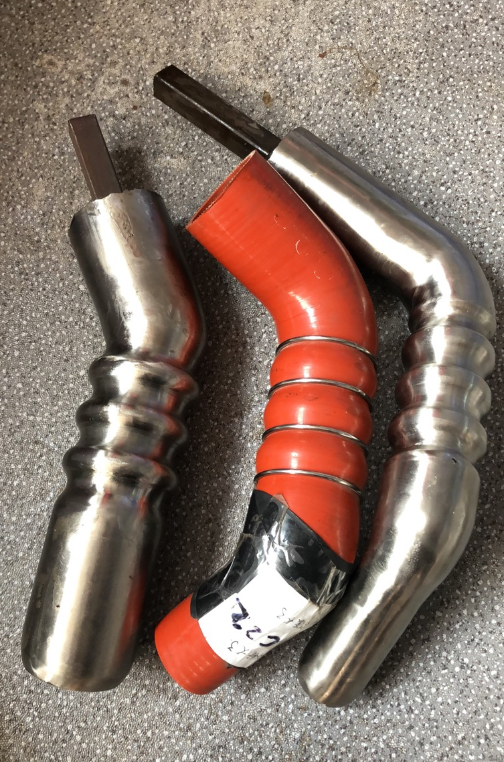
  • A good mold creates a good hose

    A good mold creates a good hose

    A good mold creates a good hose

    Welcome to visit our web: www.kuayurubberhose.com

  • Silicone Rubber Raw Material

    Silicone Rubber Raw Material

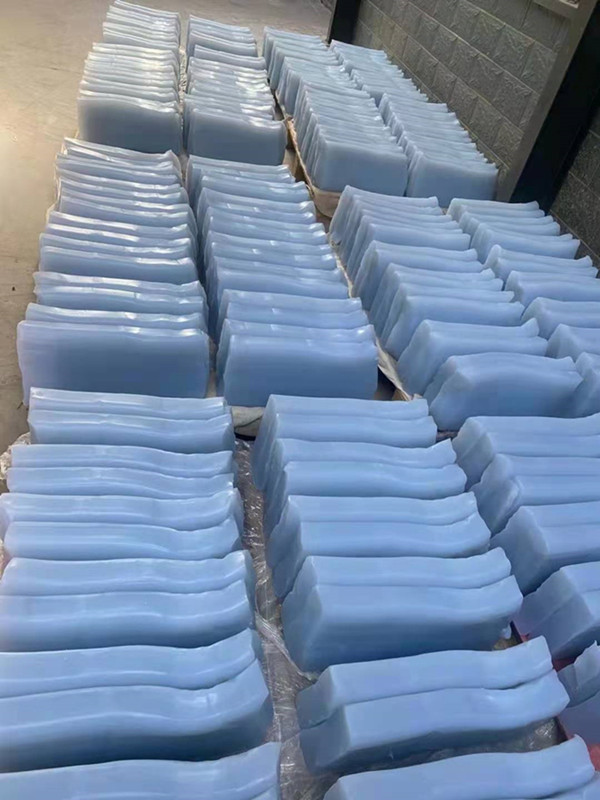
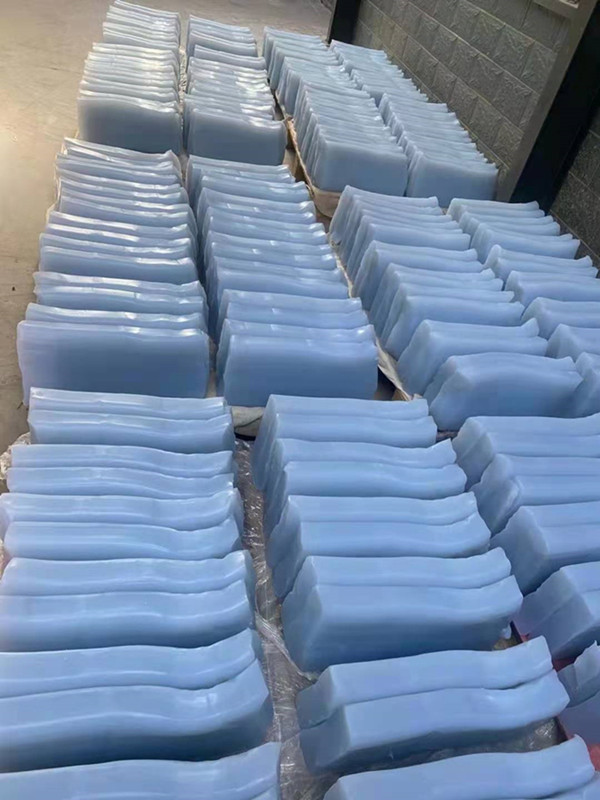
    Silicone rubber is an elastomer (rubber-like material) composed of silicone—itself a polymer—containing silicon together with carbon, hydrogen, and oxygen. Silicone rubbers are widely used in industry, and there are multiple formulations. Silicone rubbers are often one- or two-part polymers and may contain fillers to improve properties or reduce cost.

    Silicone rubber is generally non-reactive, stable, and resistant to extreme environments and temperatures from −55 to 300 °C (−70 to 570 °F) while still maintaining its useful properties. Due to these properties and its ease of manufacturing and shaping, silicone rubber can be found in a wide variety of products, including voltage line insulators; automotive applications; cooking, baking, and food storage products; apparel such as undergarments, sportswear, and footwear; electronics; medical devices and implants; and in-home repair and hardware, in products such as silicone sealants.

    Silicone Rubber Raw Material